Synopsis
Winner of the Grand Prix de l’Héroïne Madame Figaro, the Prix Montluc Résistance et Liberté (special jury prize) and the Prix France Télévisions
The author was fifteen at the height of the genocide inflicted on the Tutsi people in Rwanda. She and her mother had spent weeks moving from one insecure shelter to another amid scenes of petrifying violence. Hundreds of thousands of Tutsi were killed in a period of only three months.
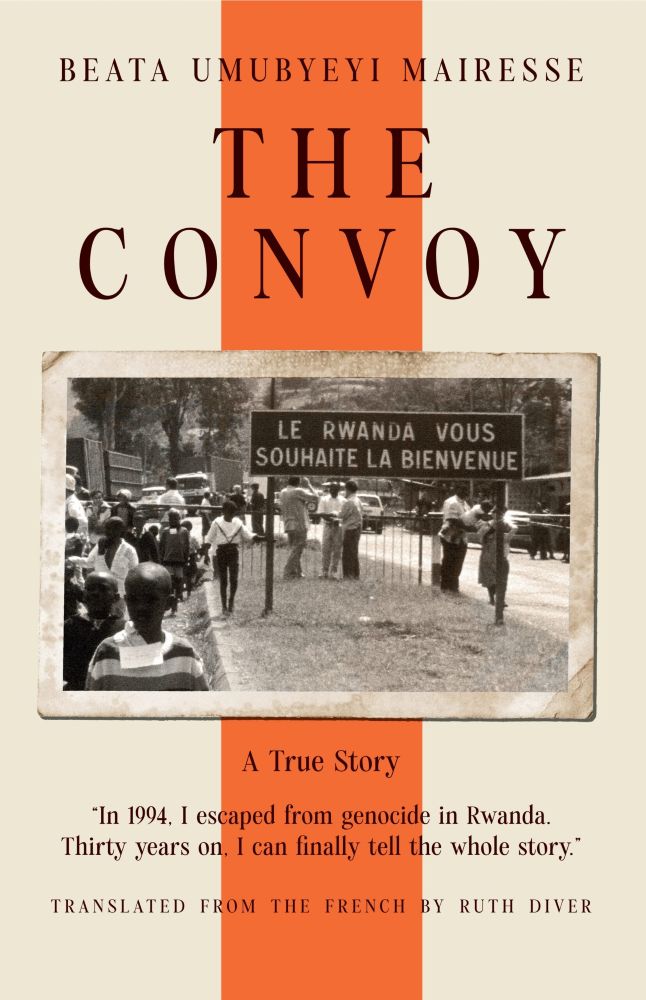
The lives of Beata Umubyeyi Mairesse and her mother were a sleepless nightmare – until, through the bewildering courage of nuns and of aid workers, a place was eventually found for them on a convoy to safety. But even then, when their journey – hidden in the bottom of a truck – came at last to an end, safety was only assured by the presence of journalists and cameramen observing their arrival at the frontier.
More than a decade later, after rebuilding her life in France, Beata Umubyeyi Mairesse was ready to begin the process of reconstructing her incomplete memories of the escape and establishing community with other survivors. She is now a poet and a prize-winning novelist, but not before this has she written about her own history.
Beginning by making contact with the B.B.C. team which filmed the convoy, then by tracking down aid workers, journalists and fellow escapees and scouring archives in a search for photographs of her crossing of the border, the author pieces together records and personal accounts to try to comprehend the chaos that overtook Rwanda at the time of the genocide.
The Convoy reflects on the act of bearing witness and the value hidden in fragments of the past. Thirty years on from the genocide, Beata Umubyeyi Mairesse was able to find and listen to others who had left Rwanda on the same convoy, as well as many of the people who played a role in securing her safety: men and women of exceptional courage.
About the Author
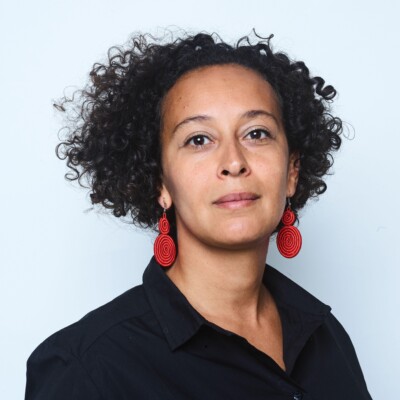
Read more about Beata Umubyeyi Mairesse
Credit Celine Nieszawer, Flammarion